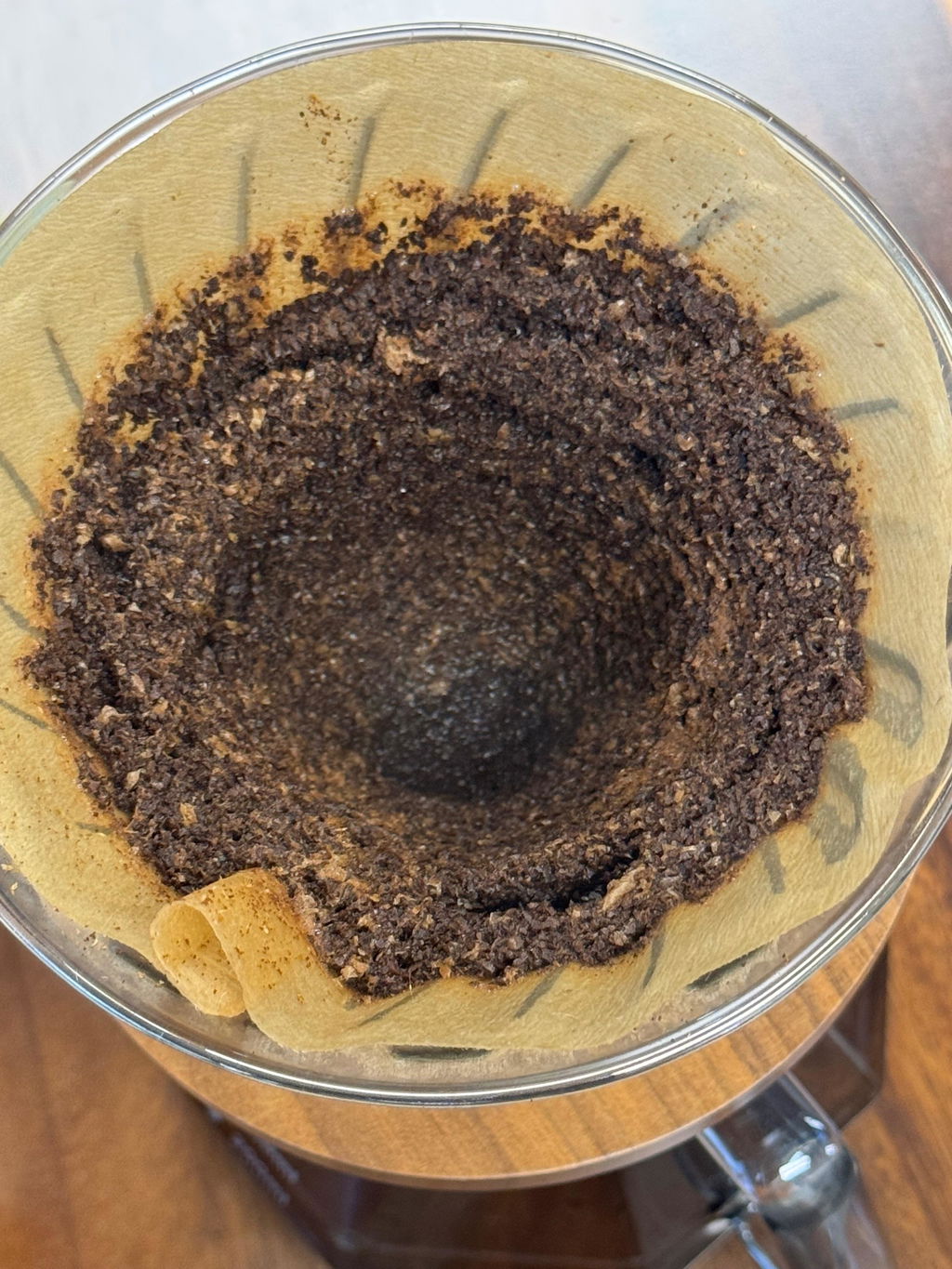
Understanding coffee starts with two things: how the beans are processed and how they are roasted. These steps shape the flavor you taste in every cup. Here is a simple guide to help beginners understand the basics.
1. Coffee Processing Methods

① Washed (Wet Process)
Cherries are pulped, fermented, and washed clean.
Flavor: Clean, bright, high clarity.
Good for: People who like clear acidity and a crisp finish.
Common origins: Ethiopia, Colombia, Yunnan (many farms also use washed processing).
② Natural (Dry Process)
Whole cherries are dried under the sun before removing the seed.
Flavor: Sweet, fruity, fuller body.
Good for: People who enjoy berry or tropical fruit notes.
Common origins: Ethiopia, Brazil.
③ Honey Process
Mucilage (“honey layer”) is kept on the bean while drying.
Flavors depend on the amount of mucilage left (yellow, red, black).
Flavor: Balanced sweetness, mild fruit, medium body.
Good for: Drinkers who want something between washed and natural.
Common origins: Costa Rica, Panama, Yunnan (some farms use honey methods too).

2. Coffee Roasting Levels

① Light Roast
Shorter roast time, lighter color.
Flavor: High acidity, floral or fruity notes.
Good for: Single-origin beans where farms want to show origin character.
② Medium Roast
Balanced color and development.
Flavor: Smooth, balanced acidity and sweetness.
Good for: Most daily drinkers; versatile for many brew methods.
③ Dark Roast
Longer roast time, darker color, oils may appear.
Flavor: Rich, smoky, chocolate, low acidity.
Good for: Espresso and people who want bold flavors.


Summary for Beginners
Processing = how coffee tastes at its core
(clean ➝ washed, sweet ➝ natural, balanced ➝ honey)
Roasting = how intense or bold the flavor becomes
(bright ➝ light roast, balanced ➝ medium roast, rich ➝ dark roast)
Learning these basics helps you understand why coffees from places like Yunnan, Brazil, or Ethiopia taste so different — and which style fits your preference.